
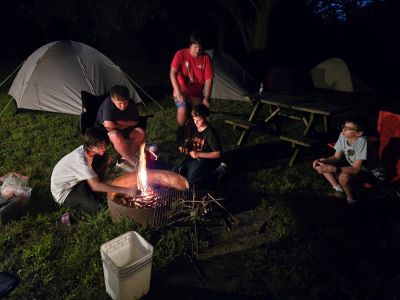
Scouting campouts teach essential outdoor living skills like tent setup and campfire building. Campouts also foster teamwork and leadership through hands-on experience while building self-confidence and self-reliance. In addition, they create lasting memories and friendships, and provide an opportunity for youth to practice decision-making in a supportive environment. These experiences bring learned skills to life, promote an appreciation for nature, and help Scouts develop a sense of responsibility and community.
Skill Development
Outdoor Living Skills: Scouts learn and practice fundamental skills such as pitching tents, building campfires, outdoor cooking, and following Leave No Trace principles.
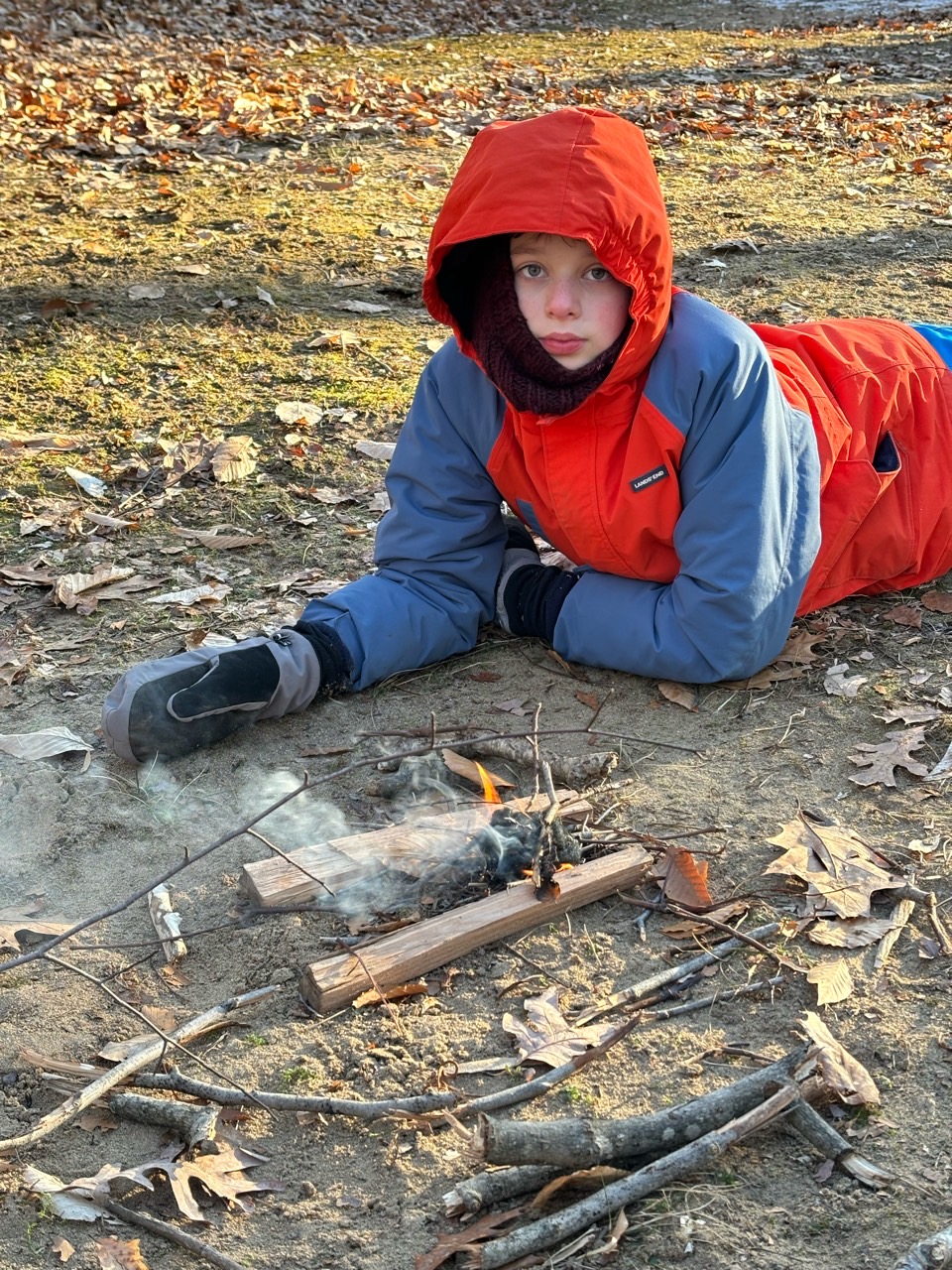

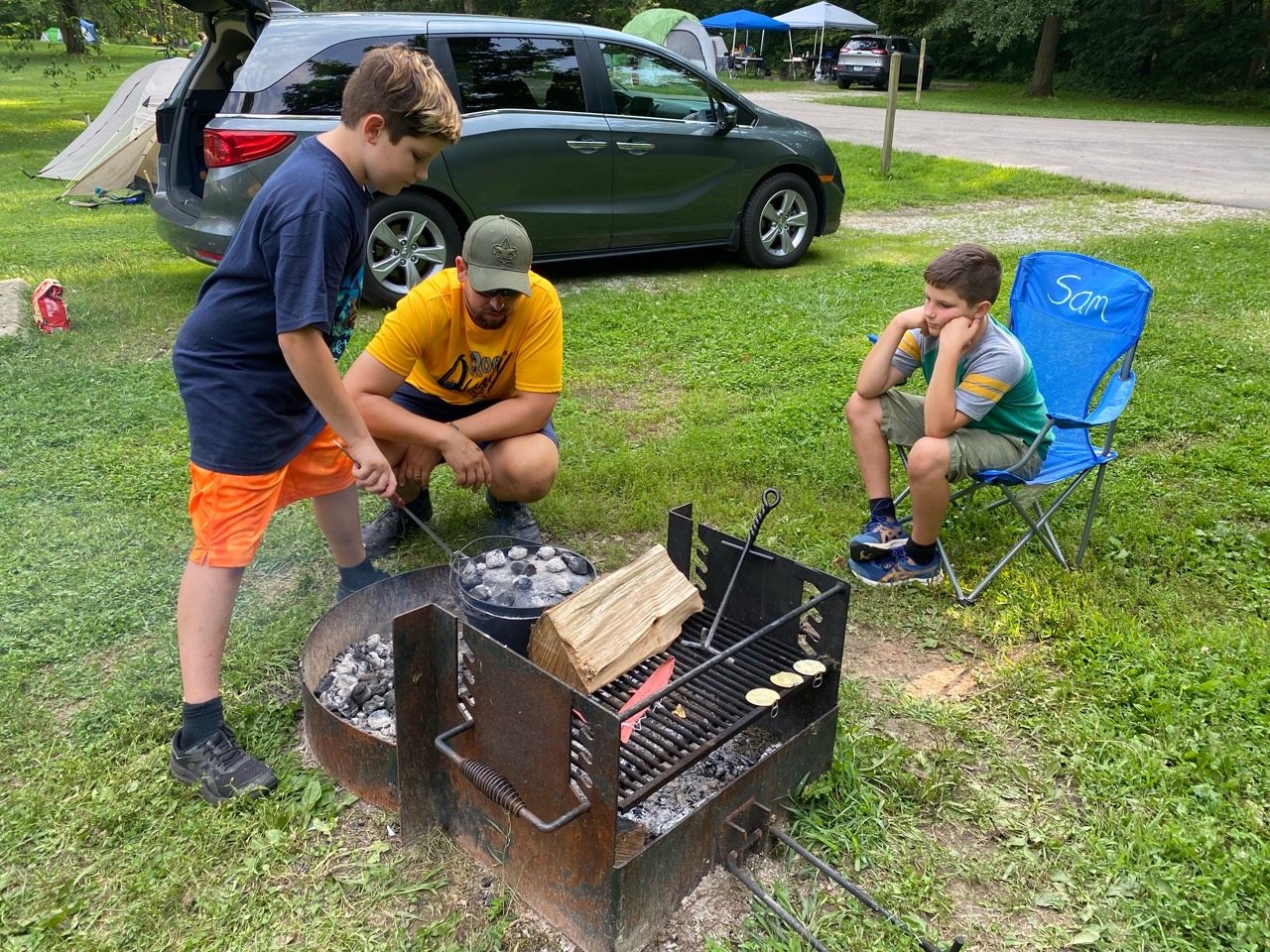
Problem-Solving: In the outdoors, Scouts encounter real-world challenges which require them to make decisions and find solutions for themselves.
Personal Growth
Self-Reliance & Accountability: Camping teaches Scouts to take care of their own gear, make do with what they have, and be accountable for their actions and belongings.
Confidence & Leadership: By managing their own routines and making decisions, Scouts develop self-confidence and learn to lead their peers in a practical setting.
Creativity: The camping environment encourages a fun and creative approach to learning and problem-solving.
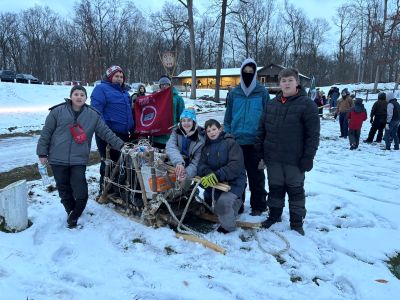
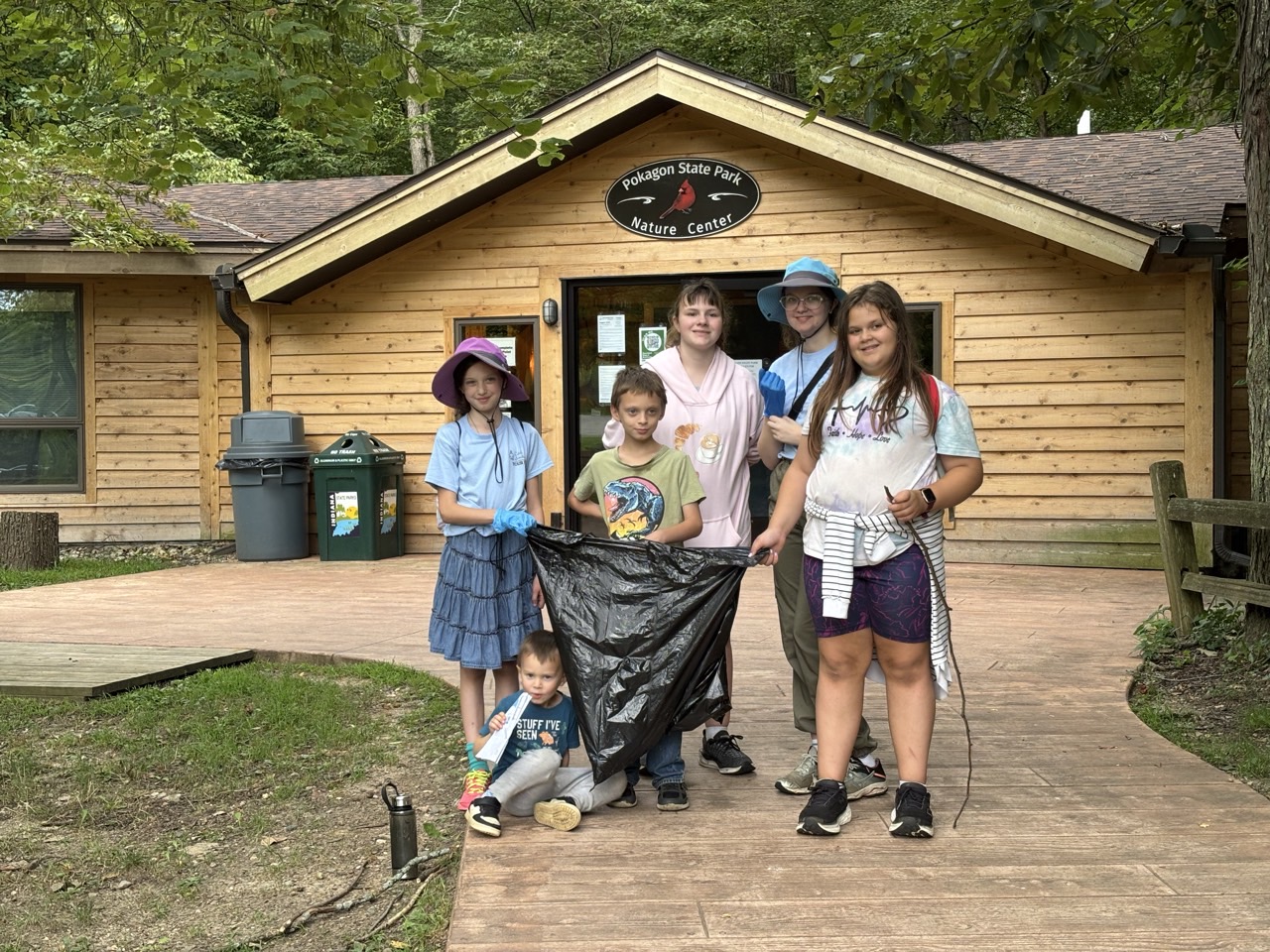
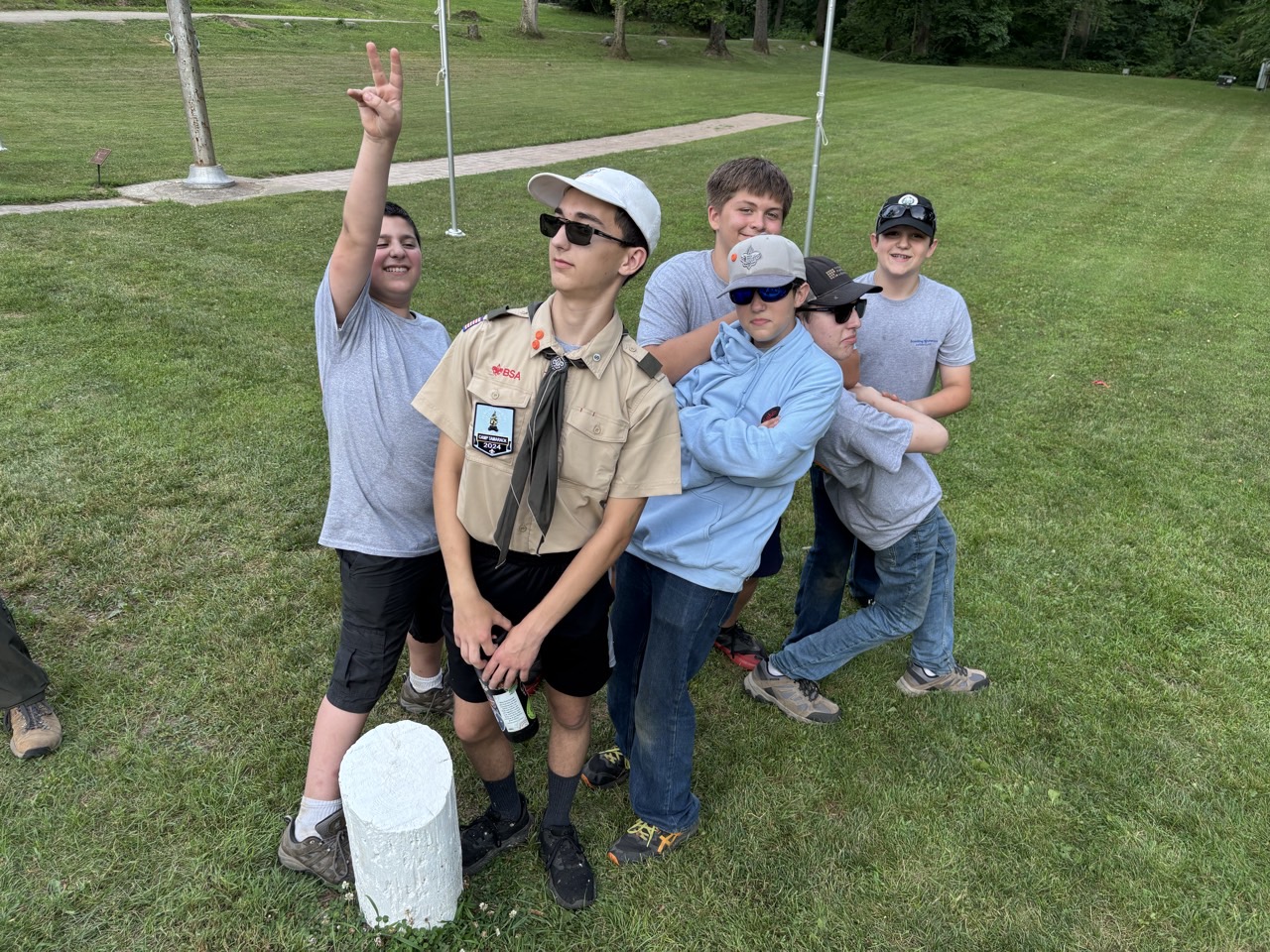
Social & Community Benefits
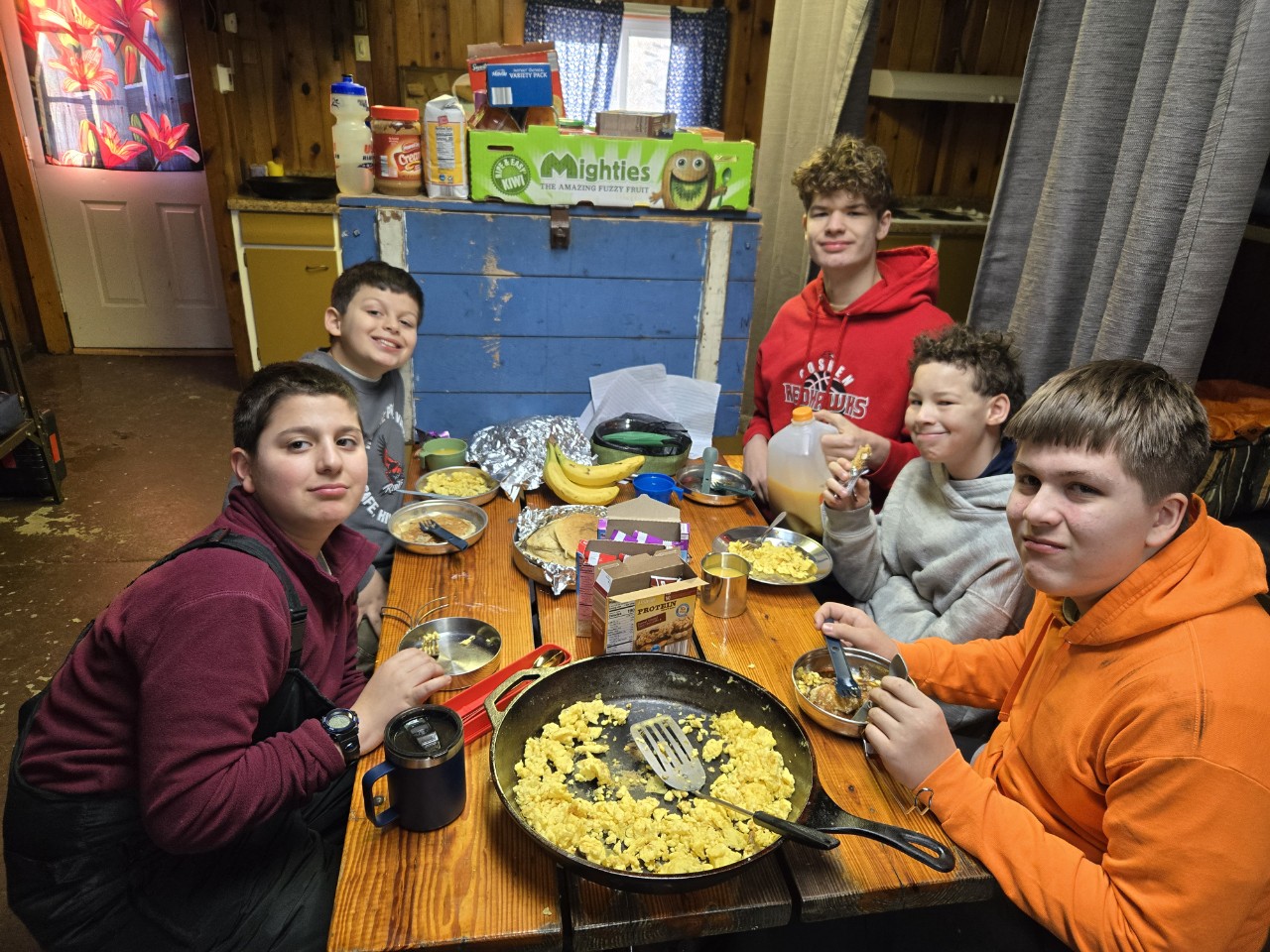
Teamwork: Patrols work together on tasks like menu planning, duty rosters, and meal preparation. Collaboration on these tasks strengthens their ability to look out for one another and delegate responsibilities.
Friendship & Community: Campouts provide a fantastic opportunity for Scouts to make new friends from different areas and develop a sense of belonging within their troop community.
Appreciation for Nature: Being immersed in nature helps Scouts gain a deeper appreciation for the natural world and their place within it.
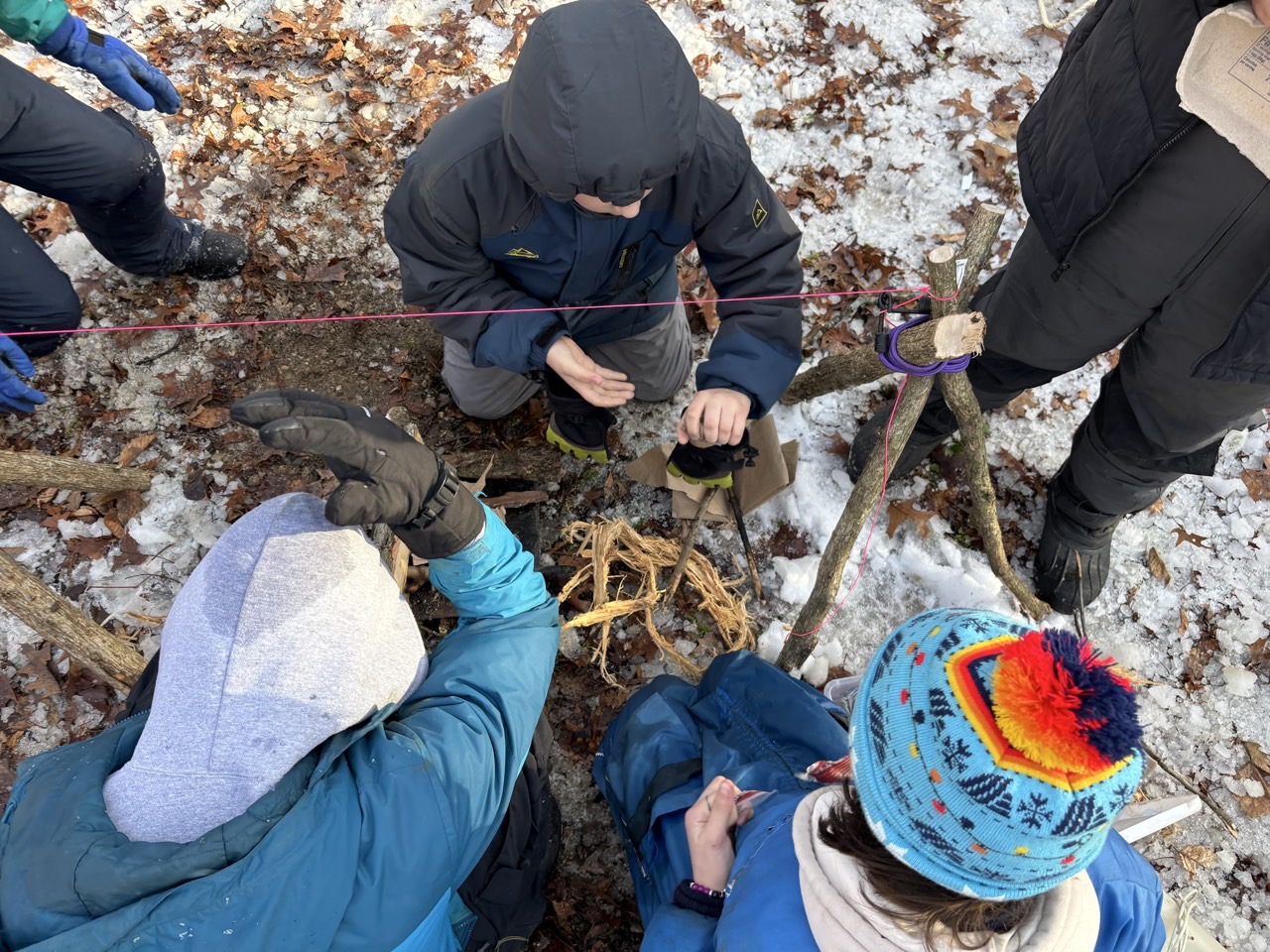
Fun & Adventure
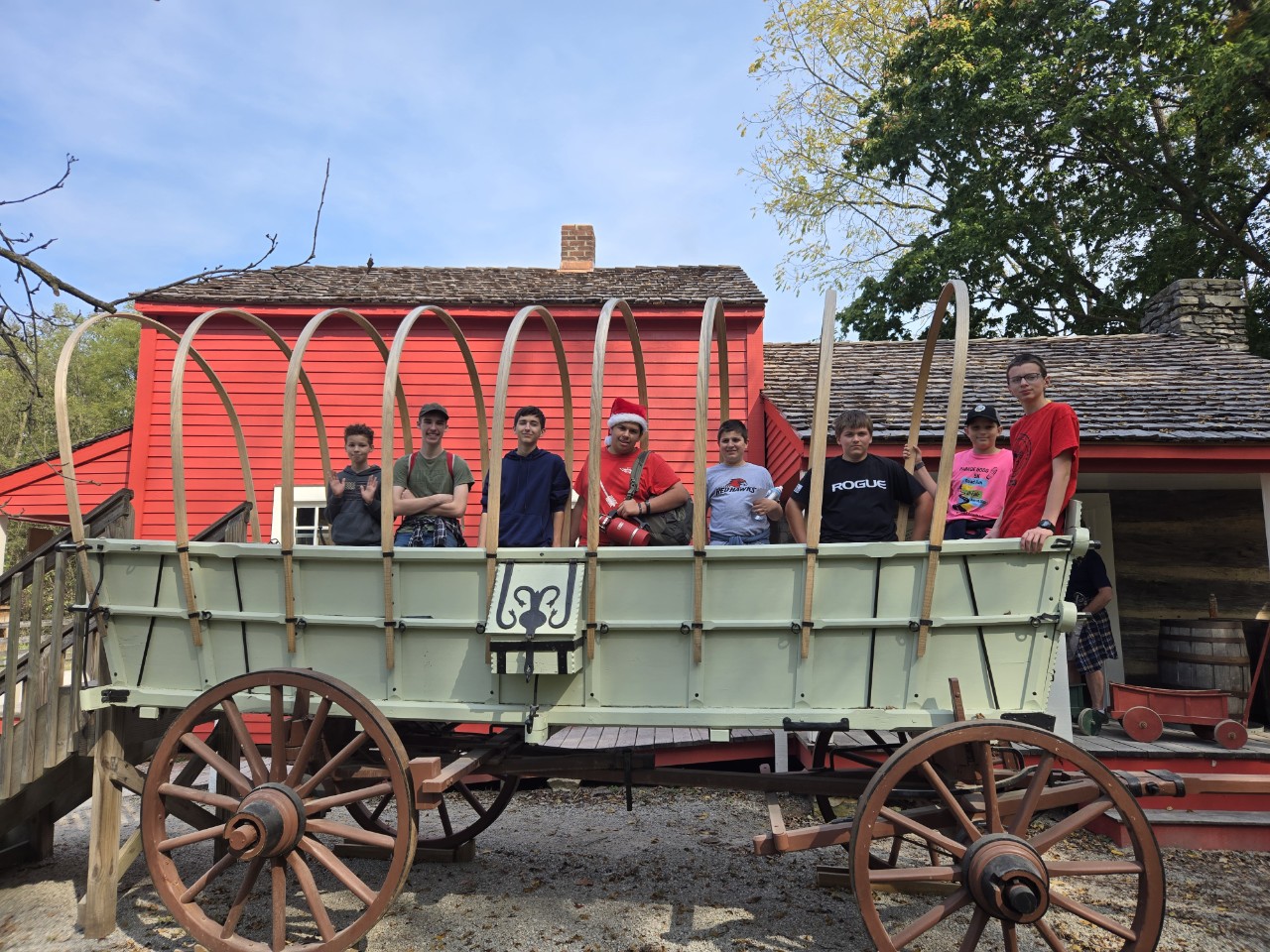
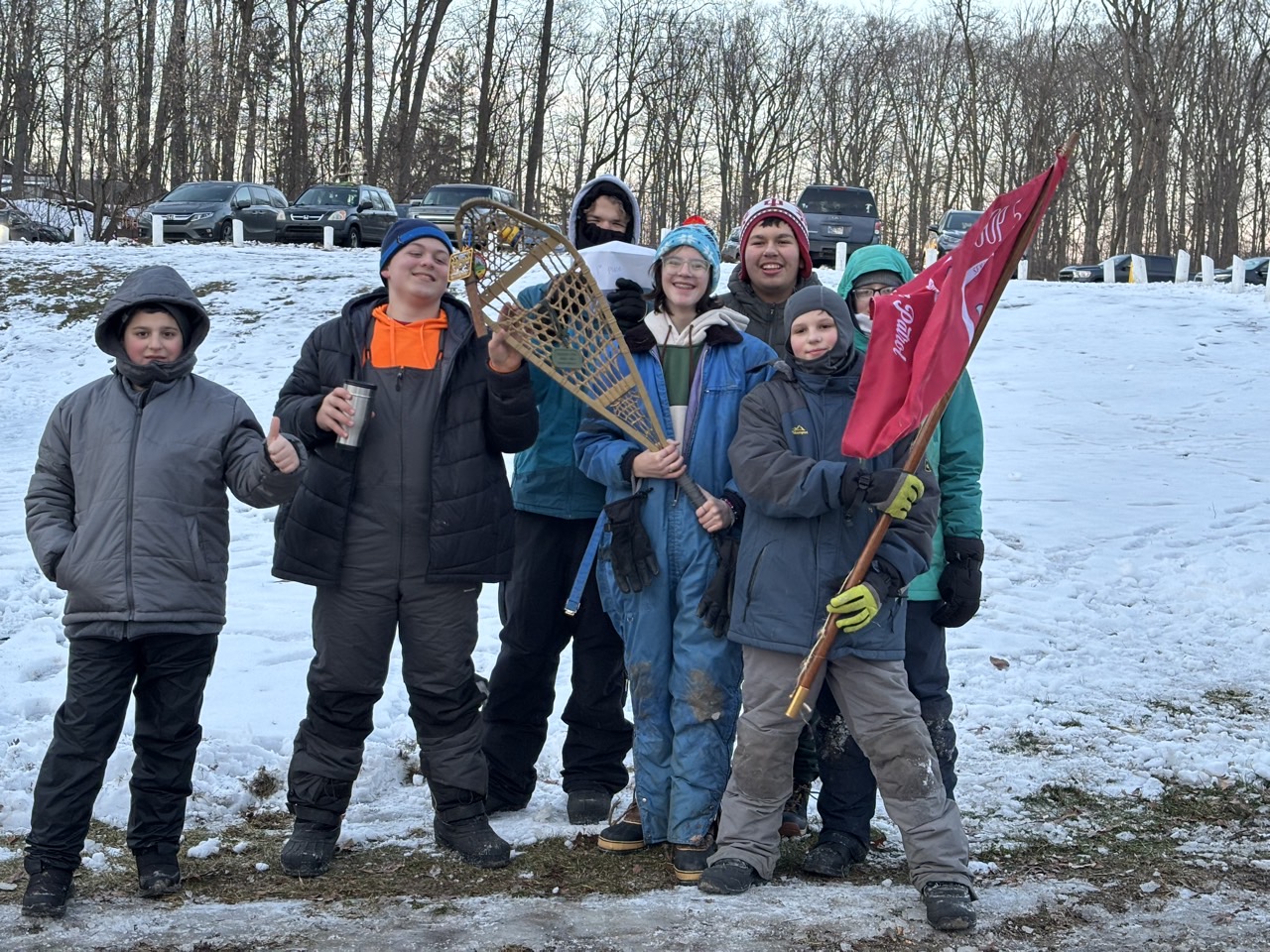
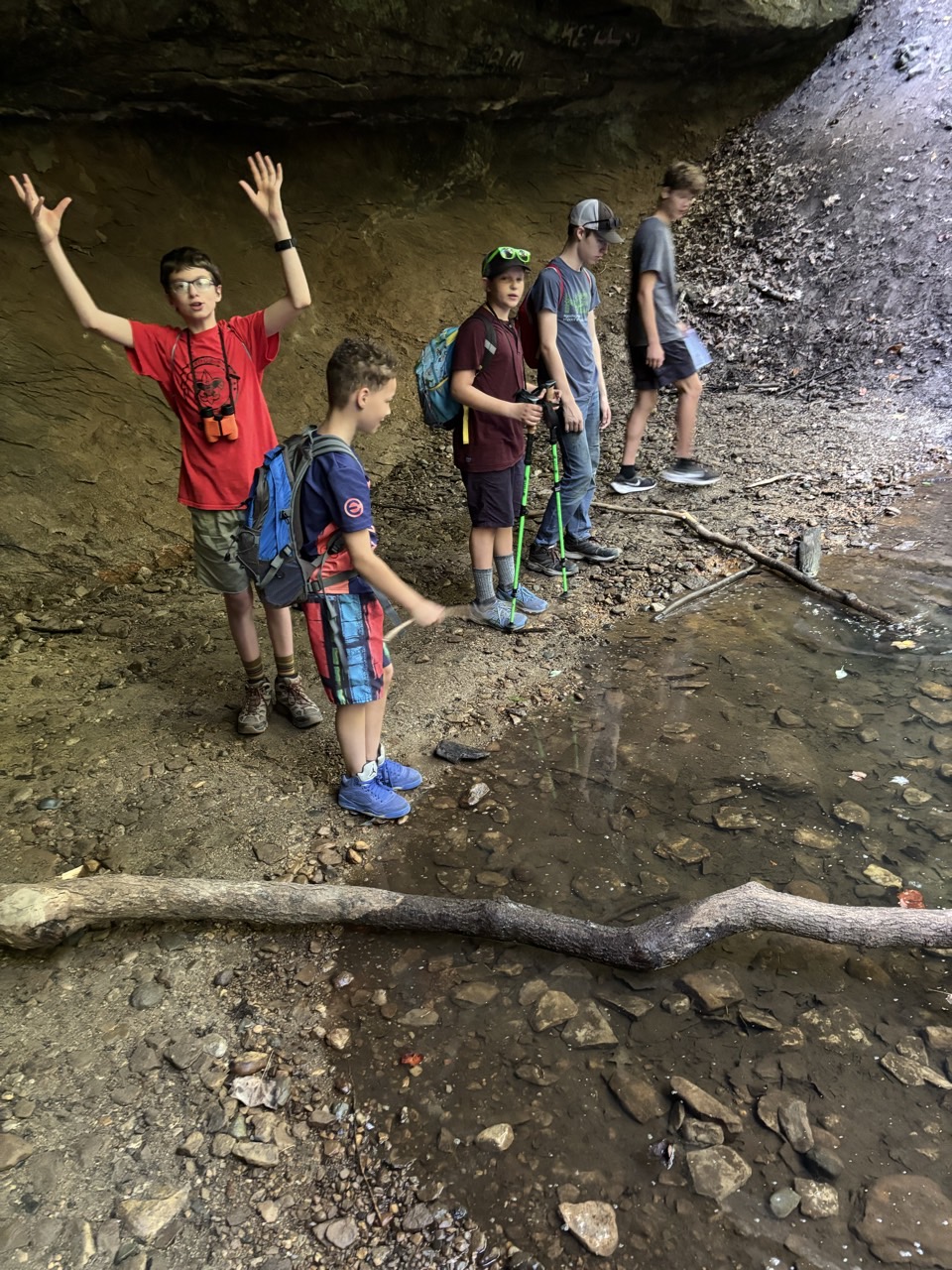
Action-Packed Activities: Campouts often feature exciting activities such as hiking, swimming, and campfire programs. These activities and more provide fun and memorable experiences.
Trying New Things: The outdoor setting encourages Scouts to try new activities and take healthy risks, contributing to their overall development.
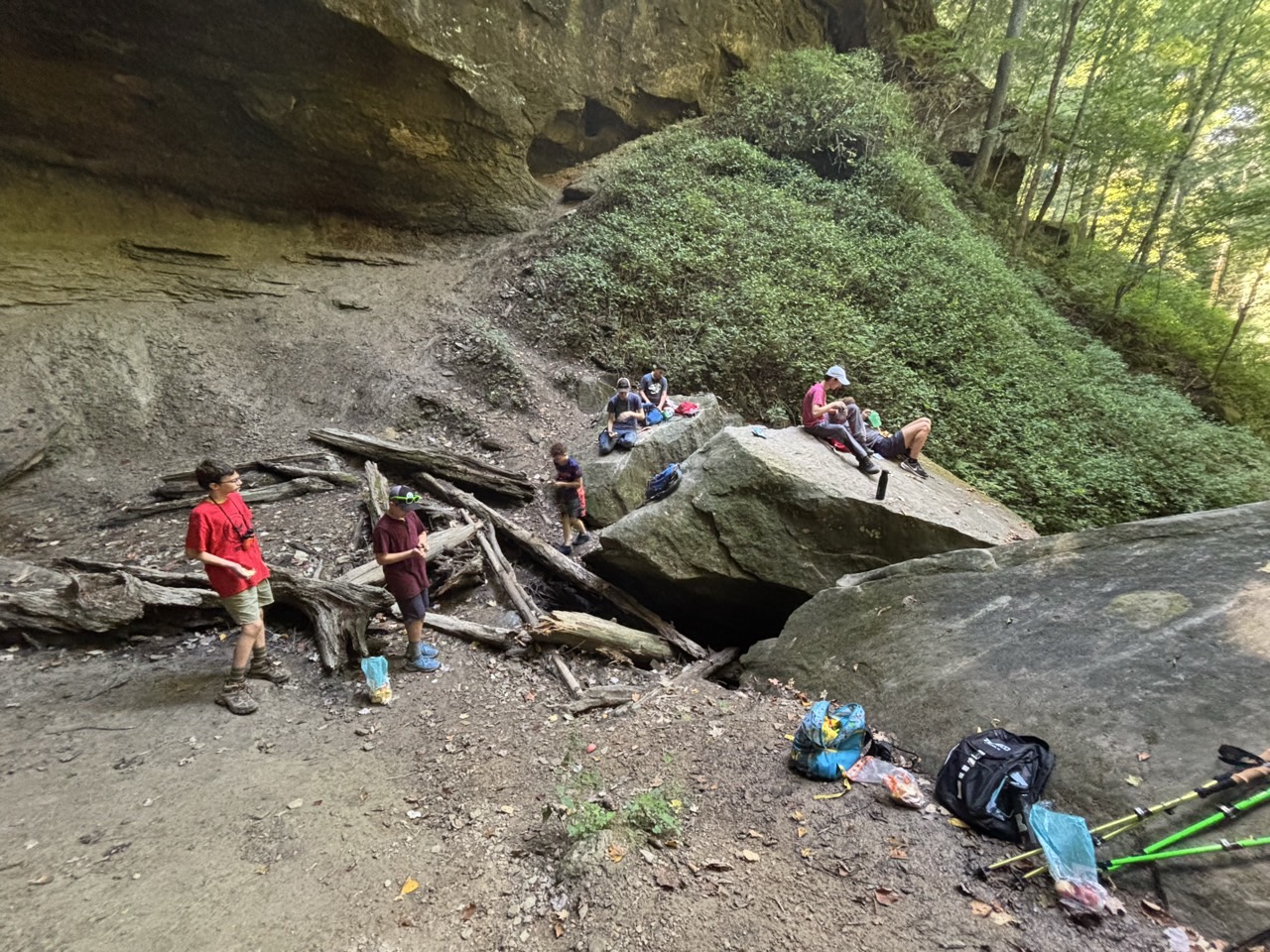
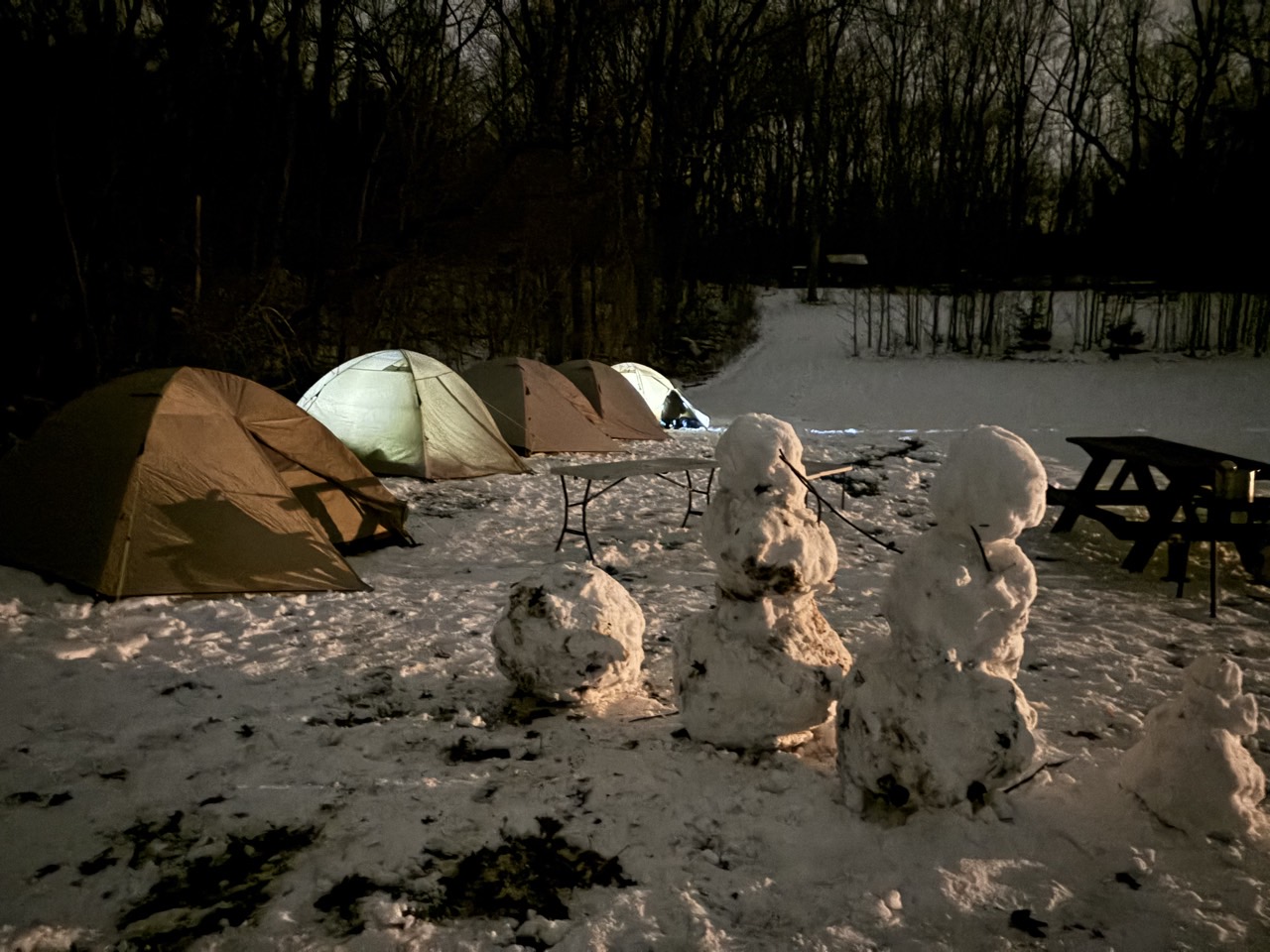
We allow Scouts to grow by practicing leadership and by learning from their mistakes. And while Scout skills are an important part of the program, what ultimately matters when our Scouts become adults is not whether they can use a map & compass, but whether they can offer leadership to others in tough situations; and can live by a code that centers on honest, honorable, and ethical behavior.
This is why in my capacity as an adult leader within Scouts BSA Troops 5 and 70, I am disheartened when inquiring about participation in upcoming campouts, both Scouts and their parents frequently pose a specific question.
“Will advancement requirements or merit badges be addressed during the campout?”
For younger Scouts progressing through the Tenderfoot, Second Class, and First Class ranks, the answer is typically affirmative. Campouts provide essential opportunities to fulfill rank requirements, foster patrol cohesion, and strengthen bonds among Scouts. Furthermore, campouts serve as a practical setting for refining skills acquired during meetings, while also offering a crucial environment for exploring and developing leadership abilities. Consequently, campouts are integral to the development and overall quality of the Scouting experience.
As Scouts advance in rank, the frequency of these inquiries increases; however, the fundamental benefits of campouts remain constant. While older Scouts may not be actively pursuing rank advancement or merit badges, they serve as role models and mentors for younger Scouts. They also demonstrate leadership skills. The Senior Patrol Leader, Assistant Senior Patrol Leader, and Patrol Leaders are often older Scouts, and these leaders are responsible for the effective operation of the Troop. Adult leaders provide assistance, guidance, support, and encouragement to these youth leaders. The absence of youth leaders at campouts creates a noticeable void and deprives the troop of experienced leadership. This can result in a less structured and potentially more chaotic campout experience. When older Scouts and youth leaders choose not to participate in campouts, or, worse, actively discourage or express negativity regarding upcoming activities, it negatively impacts younger Scouts and the Troop as a whole. It can also diminish the quality of the Scouting experience for all involved. Their absence can also inadvertently communicate to younger Scouts that camping is a pastime to be left behind as they mature.
As adult leaders we work hard to make sure the quality of the troops scouting program remains strong. We understand when a team has a game, or families have other commitments, or even when it is hard to justify the extra cost of a campout. However, when a Scout chooses to not participate because the troops activities don’t align with their personal preferences, it seems they may have overlooked the core scouting value of “To help other people at all times.” This principle should extend to everyone within the troop and not be limited to situations where personal gain is involved. Moreover, as a Scout led troop we encourage the youth to voice their opinions and take responsibility for planning campouts and meetings that foster a sense of purpose, accomplishment, and the importance of each member’s presence.
I also believe it is important for our youth leaders to remember that their responsibilities extend beyond merely fulfilling requirements for advancement. They are expected to dedicate themselves to their duties for their fellow Scouts, their patrol, and their entire troop, including actively participating in campouts. My hope is that each Scout will be inspired to strive for excellence, to be the best version of themselves, and contribute to making our troop the best it can be, not only for themselves but also for all the future Scouts who may join.
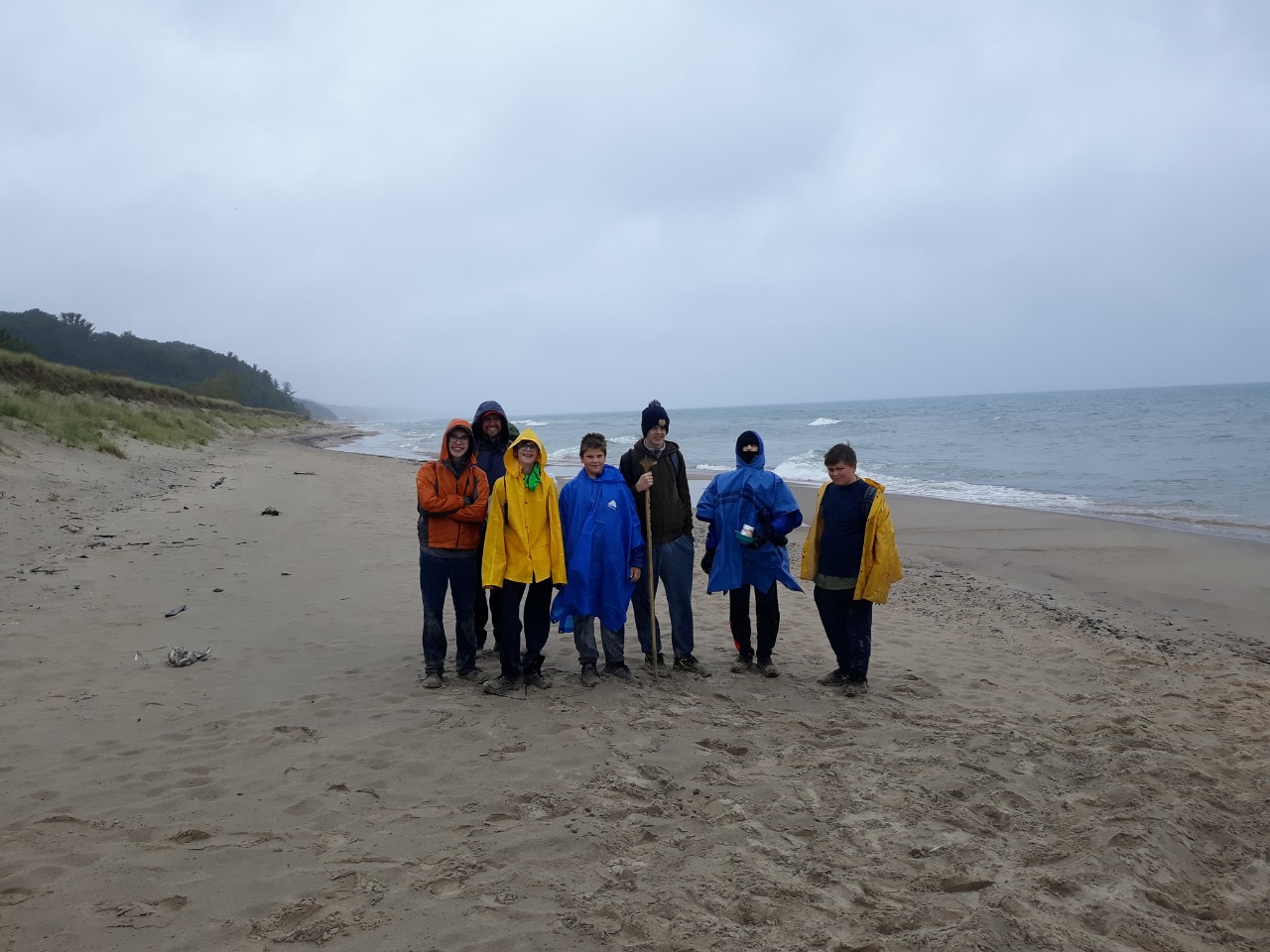
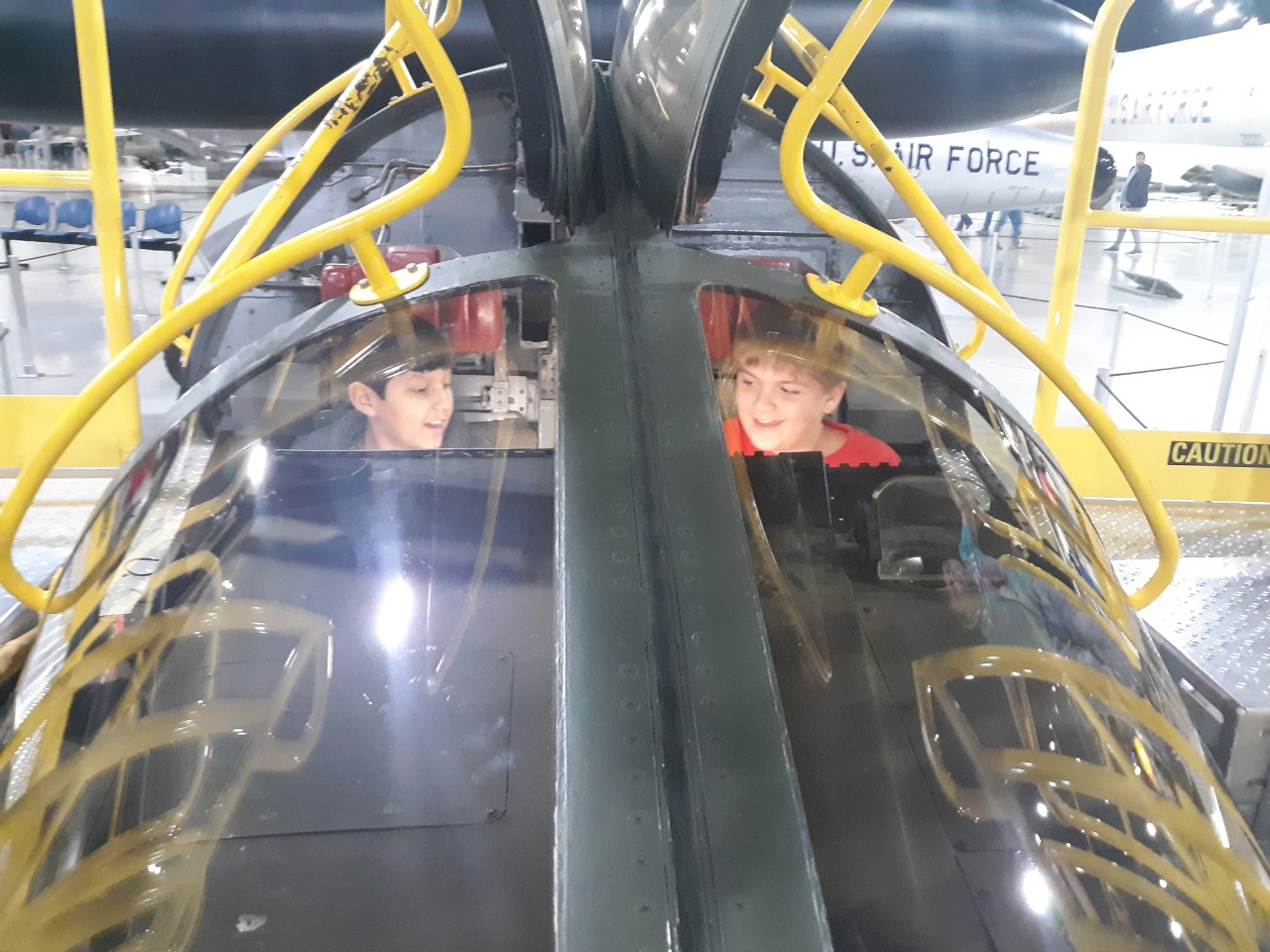
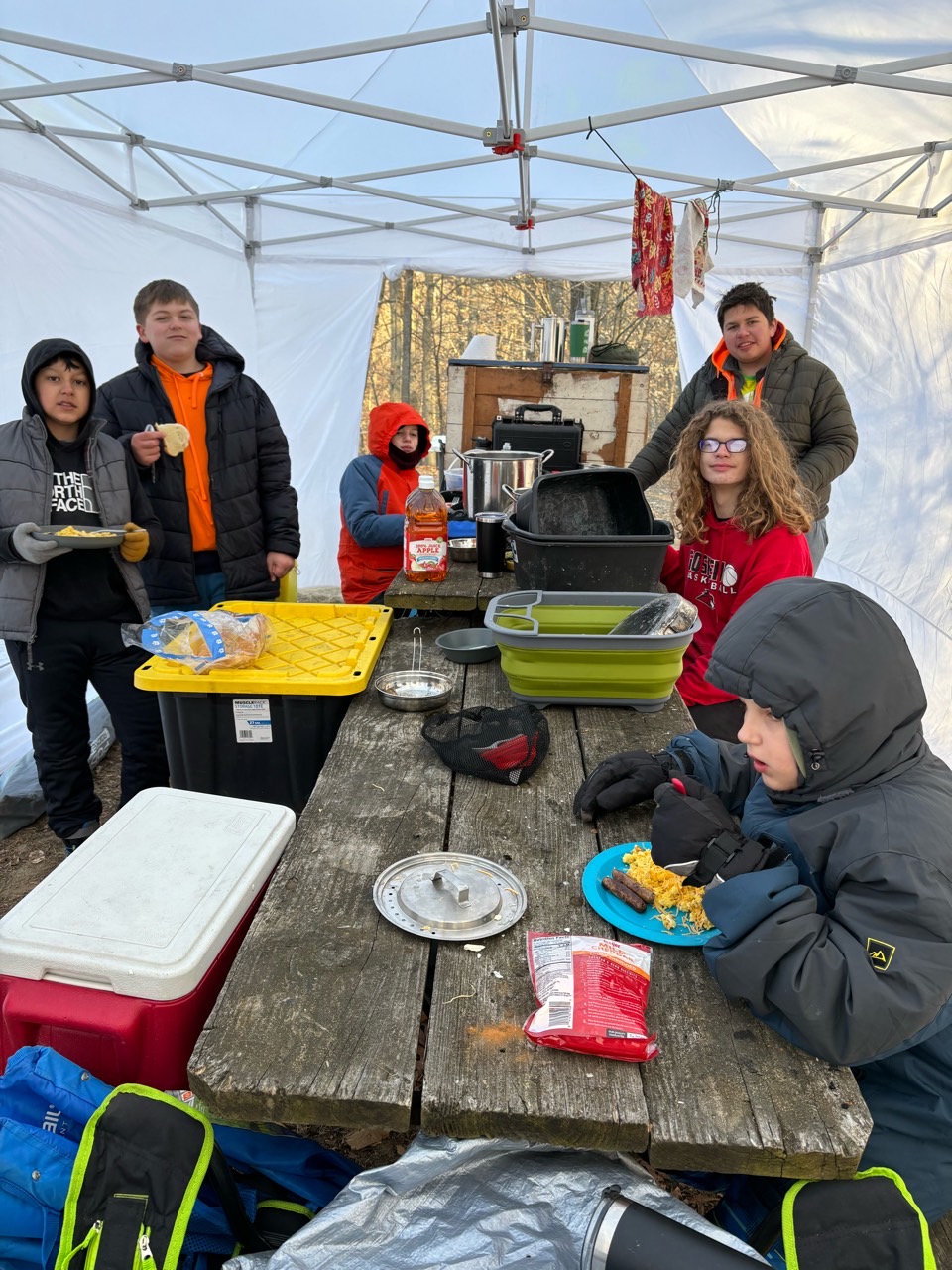
 Troop 5 and Troop 70 Goshen, Indiana